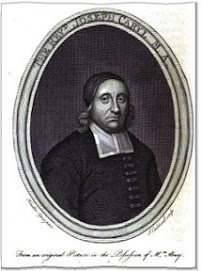
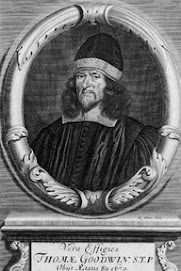
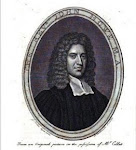
1. Stephens, Nathaniel (1606/7–1678), clergyman and ejected minister
... son of Richard Stephens, vicar from 1604 of Stanton St Bernard, Wiltshire ...
2. Stewart, Andrew (1614/15?–1671), clergyman and ejected minister
... one of the four children of the Revd Andrew Stewart ...
3. Strickland, John (1601?-1670), clergyman and ejected minister
... probably the John Strickland who was baptized on 11 March 1601 ...
4. Stubbes [Stubbs], Henry (1605/6–1678), clergyman and ejected minister
... the son of Henry Stubbes of Bitton, Gloucestershire ...
5. Swinnock, George (c 1627–1673), clergyman and ejected minister
... born at Maidstone in Kent, the son of George Swinnock ...
6. Sylvester, Matthew (1636/7–1708), ejected minister
... born at Southwell, Nottinghamshire, a son of Robert Sylvester, mercer ...
7. Tallents, Francis (1619–1708), clergyman and ejected minister
... born in November 1619 at Pilsley, North Wingfield, Derbyshire ...
8. Thomas, William (1592/3–1667), clergyman and ejected minister
... probably born at Whitchurch, Shropshire. He was almost certainly educated locally ...
9. Tilsley, John (c 1614–1684), clergyman and ejected minister
... born in Lancashire, possibly near Bolton ...
10. Tombes, John (1602–1676), clergyman and ejected minister
... born at Bewdley, Worcestershire ...
11. Towne, Robert (1592/3?–1664), clergyman and ejected minister
... matriculated as from Yorkshire at Oriel College, Oxford on 4 December 1612 ...
12. Troughton, William (1613/14–1686/90), clergyman and ejected minister
... was the son of William Troughton b 1584/5?, rector of Waberthwaite, Cumberland ...
13. Truman, Joseph (1631-1671), clergyman and ejected minister, and religious writer
... son of Richard and Mary Truman ...
14. Veal [Veel], Edward (1632/3–1708), clergyman, ejected minister, and nonconformist tutor
... of uncertain origins ...
15. Venning, Ralph (c 1622–1674), clergyman and ejected minister
... born in Devon, the son of Francis Venning and his wife ...
16. Vincent, Thomas [T. V.] (1634–1678), clergyman and ejected minister
... born in May 1634 in Hertford (where he was baptized ...
17. Walter, Henry (1611–1678?), clergyman and ejected minister
... born at Piercefield, St Arvans parish, Monmouthshire ...
18. Warren, John (1621–1696), clergyman and ejected minister
... born at Wolverley, Worcestershire, on 29 September 1621 ...
19. Watson, Thomas (d 1686), ejected minister
... recorded as of Yorkshire when he matriculated at Emmanuel College, Cambridge, ...
20. Whitaker, William (d 1672), clergyman and ejected minister
... born at Oakham, Rutland, the son of the schoolmaster Jeremiah Whitaker ...
21. Wilkinson, Henry (1610–1675), Church of England clergyman and ejected minister
... born on 4 March 1610 at Waddesdon, Buckinghamshire ...
22. Wilkinson, Henry (1616/17–1690), college head and ejected minister
... son of William Wilkinson, curate or chaplain of Adwick-le-Street, Yorkshire ...
23. Willis, Thomas (b in or before 1618, d in or after 1673), clergyman and ejected minister
... elder son of Thomas Willis 1582/3–1666 of Isleworth ...
Monday, 29 October 2007

ODNB Ejected Ministers 161-180
1. Quick, John (1636-1706), clergyman and ejected minister
... born at Plymouth and baptized at St Andrew's Church, Plymouth ...
2. Ranew, Nathanael (1602?–1677), clergyman and ejected minister
... was admitted to Emmanuel College, Cambridge, on 10 June 1617, graduated BA ...
3. Richardson, Christopher (1619, d. 1698), clergyman and ejected minister
... son of Thomas Richardson of Sheriff Hutton, Yorkshire ...
4. Robotham, John (d 1664?), clergyman and ejected minister
... may have been related to John Rowbotham, sometime JP of St Albans ...
5. Rogers, John (1610–1680), clergyman and ejected minister
... born on 25 April 1610 at Chacombe, Northamptonshire, and baptized there ...
6. Rosewell, Thomas (1630–1692), clergyman and ejected minister
... born on 3 May 1630 at Dunkerton, near Bath in Somerset ...
7. Rowe, John (1626/7–1677), clergyman and ejected minister
... son of John Rowe 1588–1660, minister, and grandson of Lawrence Rowe ...
8. Ryther, John (1631x5–1681), clergyman and ejected minister
... son of John Rither d 1673, a tanner of York ...
9. Sampson, Henry (c 1629–1700), ejected minister and historian of dissent
... born at South Leverton, Nottinghamshire ...
10. Sangar, Gabriel (1608–1678), clergyman and ejected minister
... born at Sutton Mandeville, Wiltshire, in May 1608 ...
11. Scandrett, Stephen (1631?–1706), clergyman and ejected minister
... son of Stephen Scandrett d 1643, yeoman of the wardrobe ...
12. Seaman, Lazarus (d 1675), clergyman and ejected minister
... born in Leicester. In 1624 he was admitted sizar at Emmanuel College, Cambridge...
13. Sheffield [Sheffeild], John (d 1680), clergyman and ejected minister
... came from Northamptonshire. His parents' names are not known ...
14. Sherwin, William (1607–1690), clergyman and ejected minister
... born in Nottinghamshire. He entered St John's College, Cambridge, in 1624 ...
15.Shuttlewood, John (1632–1689), clergyman, ejected minister, and nonconformist tutor
... born on 3 January 1632 at Wymeswold, Leicestershire ...
16. Slater, Samuel (1629?–1704), clergyman and ejected minister
... born in London, the son of Samuel Slater d c 1670, puritan ...
17. Spurstowe, William (d. 1666), clergyman and ejected minister
... the son of William Spurstowe, a citizen and mercer of London ...
18. Stalham, John (d 1677), clergyman and ejected minister
... born in Norfolk of unknown parents and was educated at Christ's College ...
19. Staunton, Edmund (1600–1671), ejected minister and college head
... born on 20 October 1600, the third son ...
20. Stedman, Rowland (d 1673), clergyman and ejected minister
... born at Corfton, in the parish of Diddlebury in Shropshire ...
... born at Plymouth and baptized at St Andrew's Church, Plymouth ...
2. Ranew, Nathanael (1602?–1677), clergyman and ejected minister
... was admitted to Emmanuel College, Cambridge, on 10 June 1617, graduated BA ...
3. Richardson, Christopher (1619, d. 1698), clergyman and ejected minister
... son of Thomas Richardson of Sheriff Hutton, Yorkshire ...
4. Robotham, John (d 1664?), clergyman and ejected minister
... may have been related to John Rowbotham, sometime JP of St Albans ...
5. Rogers, John (1610–1680), clergyman and ejected minister
... born on 25 April 1610 at Chacombe, Northamptonshire, and baptized there ...
6. Rosewell, Thomas (1630–1692), clergyman and ejected minister
... born on 3 May 1630 at Dunkerton, near Bath in Somerset ...
7. Rowe, John (1626/7–1677), clergyman and ejected minister
... son of John Rowe 1588–1660, minister, and grandson of Lawrence Rowe ...
8. Ryther, John (1631x5–1681), clergyman and ejected minister
... son of John Rither d 1673, a tanner of York ...
9. Sampson, Henry (c 1629–1700), ejected minister and historian of dissent
... born at South Leverton, Nottinghamshire ...
10. Sangar, Gabriel (1608–1678), clergyman and ejected minister
... born at Sutton Mandeville, Wiltshire, in May 1608 ...
11. Scandrett, Stephen (1631?–1706), clergyman and ejected minister
... son of Stephen Scandrett d 1643, yeoman of the wardrobe ...
12. Seaman, Lazarus (d 1675), clergyman and ejected minister
... born in Leicester. In 1624 he was admitted sizar at Emmanuel College, Cambridge...
13. Sheffield [Sheffeild], John (d 1680), clergyman and ejected minister
... came from Northamptonshire. His parents' names are not known ...
14. Sherwin, William (1607–1690), clergyman and ejected minister
... born in Nottinghamshire. He entered St John's College, Cambridge, in 1624 ...
15.Shuttlewood, John (1632–1689), clergyman, ejected minister, and nonconformist tutor
... born on 3 January 1632 at Wymeswold, Leicestershire ...
16. Slater, Samuel (1629?–1704), clergyman and ejected minister
... born in London, the son of Samuel Slater d c 1670, puritan ...
17. Spurstowe, William (d. 1666), clergyman and ejected minister
... the son of William Spurstowe, a citizen and mercer of London ...
18. Stalham, John (d 1677), clergyman and ejected minister
... born in Norfolk of unknown parents and was educated at Christ's College ...
19. Staunton, Edmund (1600–1671), ejected minister and college head
... born on 20 October 1600, the third son ...
20. Stedman, Rowland (d 1673), clergyman and ejected minister
... born at Corfton, in the parish of Diddlebury in Shropshire ...
Bogue and Bennett 03
To add iniquity to iniquity, the conventicle act was passed, decreeing, that if any person, above the age of sixteen years be present at any meeting for worship, different from the church of England, where there shall be five persons more than the household, they shall, for the first offence, suffer three months imprisonment, or pay five pounds ; for the second, the punishment is doubled; and for the third, they shall be banished to America, or pay a hundred pounds; and if they return from banishment, suffer death (Burnet p. 204). The oath of an informer was sufficient to inflict all the severity of this statute of Draco. While many of the best of men filled our jails, the vilest of the human race rioted in debauchery by informing, for the sake of the reward.
A most dreadful plague visited this aceld'ama of persecution, and while some of the conforming ministers faithfully stood by their flocks, the greater part of them fled, as the hireling when he seeth the wolf; so that the non-conformists seized this opportunity of preaching to the multitudes who, while on the brink of the grave, were left as sheep without a shepherd. But as no revenge could satisfy, so no judgments could alarm the high party; for they now introduced an act to restrain non-conformists from inhabiting corporations. An oath of passive obedience, and non-resistance* was enacted; and all who refused it, were prohibited from coming within five miles of any corporate town where they formerly preached; or from keeping schools, or taking boarders, under a penalty of forty pounds. Thus, though they were not actually burnt alive, they were intentionally starved to death. But while earth and hell were against them, heaven appeared in their behalf. During twenty-eight years of sufferings, their enemies were never gratified by any resistance nor was any of them in prison for debt. Scarcely Elijah himself was fed more immediately from heaven.*
The king, at length, began to complain aloud of the bishops and conforming clergy,* who increased the numbers of dissenters by their conduct, which the people could not help contrasting with that of the ejected ministers. Hence a scheme for toleration was now talked of; but though it was cherished by the moderate divines of the establishment, it roused such opposition from the bigots*, that the non-conformists were left to all the fury of renewed persecution. A paper war fanned the flames of hatred and bigotry. Ralph Willis, called the cobbler of Gloucester, published an account of the scandalous lives of many of the conforming clergy. Samuel Parker, afterwards bishop of Oxford, was the champion for the hierarchy; but he was answered by Andrew Marvel, the pasquin of his age, whose lively wit effected more than all the learning of Dr Owen's grave replies; so that his book afforded merriment to all ranks and parties, from the king and his mistresses, down to the lowest of the populace.
The act against conventicles, was renewed with additional severity*; denying to the sufferers the protection of trial by jury; exposing them to conviction on the oath of a single informer, who was rewarded by a third of the exorbitant fine; while the laws were always to be interpreted against mercy and the non-conformists.
Volumes could not contain a complete history of the sufferings of these men, whose souls, from beneath the altar of God, cry, "how long, Lord, holy, just, and true?" At length, to accomplish the design of favouring the papists, and establish the king's prerogative to dispense with the laws, a declaration of indulgence was published by his majesty, suspending all the penal laws against dissenters,and allowing them to meet in places of worship licensed by the king. The high-church clergy were dreadfully alarmed, and severely condemned the dissenters for using the liberty of which they had been unjustly deprived.*
*Warner, vol. II. p. 604. Warner, p. 612.
*The righteous governor of the world sent fire as well as plague, so that-eighty-nine parish churches in London, together with St Paul's cathedral, were burnt down. Some temporary places were erected with boards, where, as well as in their own abodes, the non-conformists preached. They were called tabernacles; a name which has been since familiar among those who worship apart from the establishment. Drs. Owen and Goodwin, with other independent ministers, adopted this practice, so that many of the citizens of London flocked to the places where the liturgy was not used.
*Pierce, p. 240. Warner, vol. II. p. 611, 615.
*Warner, p. 615.
*To the honour of bishop Williams it should be recorded, that he argued against this infamous act, though the king had requested him not to speak against it, or to stay away from the house while it was debated. He told his majesty that, as an Englishman and a senator he was bound to speak his mind.
*Dr. Calamy being present at his late parish of Aldermanbury, London, was invited to preach, as the person expected did not cornet For complying he was thrown into Newgate; but there was such a resort of persons of distinction to visit him, that it was thought prudent, after a few days, to restore him to liberty.
*At this time was passed the Test Act, of which we shall speak intirely in the words of Dr. Warner, the clergyman to whose history so frequent reference is made in the progress of this work. " Whatever the dissenters might at first think of the indulgence, they saw now that they were only to be tools to advance the Romish religion, etc, etc"
Bogue and Bennett 02
Ecclesiastical history furnishes no such instance of a noble army of confessors at one time: it is an honour peculiar to the English dissenters. Never has the world seen such a sacrifice on principle. A person, who was no dissenter, observed at that time, "I am glad so many have chosen suffering, rather than conformity to the establishment; for had they complied, the world would have thought there had been nothing in religion; but now they have a striking proof that there are some sincere in their professions."
A conformist thus liberally pleads their cause*.' "They have suffered the loss of all things: is it for mere honour, not conscience or religion ? Have they so little wit as not to know what is best, good livings, or nasty prisons ? Do they hate their wives and children ? They declare, they cannot conform: Who should know best, they or we ?"
A conformist thus liberally pleads their cause*.' "They have suffered the loss of all things: is it for mere honour, not conscience or religion ? Have they so little wit as not to know what is best, good livings, or nasty prisons ? Do they hate their wives and children ? They declare, they cannot conform: Who should know best, they or we ?"
From this time, the name of puritan was exchanged for that of non-conformist, including presbyterians, independents, baptists, and quakers. They petitioned the king for an indulgence, which, for the sake of covering the Roman catholics, he seemed disposed to grant; but as the parliament was unwilling, they gave him money, and he left the sufferers to their fate. Thus were the tears and blood of the non-conformists, through all this reign, the prize for which
the parliament bestowed subsidies on the king. Some of the ejected ministers, to show their Catholicism, practised what was called occasional conformity, by going to the established places, and joining in the worship, though they could not comply with the terms required of ministers, to swear that they assented to every thing in the book of common prayer*.
*Conformists' Plea *Burnet p. 204
the parliament bestowed subsidies on the king. Some of the ejected ministers, to show their Catholicism, practised what was called occasional conformity, by going to the established places, and joining in the worship, though they could not comply with the terms required of ministers, to swear that they assented to every thing in the book of common prayer*.
*Conformists' Plea *Burnet p. 204
*Dr. Calamy being present at his late parish of Aldermanbury, London, was invited to preach, as the person expected did not come. For complying he was thrown into Newgate; but there was such a resort of persons of distinction to visit him, that it was thought prudent, after a few days, to restore him to liberty.
To be concluded.
Bogue and Bennet 01
In the Introduction to their History of the Dissenters, from the Revolution in 1688, to the Year 1808 Bogue and Bennet say this
On St. Bartholomew's-day, August the twenty fourth, in the year one thousand six hundred and sixty-two, the act of uniformity expelled from the establishment all ministers who would not swear their unfeigned assent, and consent to every thing in the Book of Common Prayer. In many parts of the kingdom, the ministers could not procure the book before the time within which the law required them to swear to it, or resign their livings: so that, in their farewell sermons, they told their flocks, that they were obliged to leave them for not swearing to a book, which they had not been able to see. But this was no obstacle to the ruling party, who wished for the most costly sacrifices at the shrine of absolute obedience, and longed to rid themselves of men who were troubled with a conscience.
Two thousand ministers resigned their livings in the establishment, and exposed themselves to the loss of all things rather than submit to these new terms of conformity, which their consciences condemned*. Bartholomew's-day was chosen, because, they would thus be deprived of their year's income, which would be due shortly after. No portion of their former livings was reserved to keep them from starving; for these persecutors were not ashamed to be outdone by their enemies. The great Mr. Locke styled these two thousand ejected ministers, learned, pious, orthodox divines; and we have no hesitation in saying, that of them the world was not worthy, nor have their equals been seen in any age or nation. Their writings have erected to their memory a monument more durable than brass or marble, which has so perpetuated and diffused their sentiments and* spirit, that had their enemies anticipated the consequences of excluding them from the pulpits, they would have left them to preach that they might have had no leisure to write.
* Calamy's Non-conformists' Memorial, passim. Pierce, p. 232 *Burrnet, vol. II. p. 184. Warner.
To be continued.
Friday, 26 October 2007
ODNB Ejected Ministers 141-160
1. Newcomen, Matthew (d.1669), clergyman and ejected minister and religious controversialist
... the second son of Stephen Newcomen 1557/8–1629, vicar ...
2. Newton, George (1601/2–1681), clergyman and ejected minister
... a native of Devon and the son of a clergyman ...
3. Nicholls [Nicolls], Ferdinando (1597/8–1662), clergyman and ejected minister
... came from a Buckinghamshire gentry family; his parents' names are unknown ...
4. Norman, John (1622–1669), clergyman and ejected minister
... baptized on 15 December 1622, the son of Abraham Norman ...
5. Oakes, Urian (c 1631–1681), ejected minister and college head
... born in England, possibly in or near London, ...
6. Oasland [Osland], Henry (1625-1703), clergyman and ejected minister
... born at Lower Snead Farm, Rock, near Bewdley, in Worcestershire ...
7. Ogden, Samuel (1627/8–1697), ejected minister and schoolmaster
... born at Fowleach, Oldham, the son of John Ogden ...
8. Oldfield, John (1626/7–1682), clergyman and ejected minister
... born near Chesterfield, Derbyshire. He was educated at the grammar school ...
9. Pakeman, Thomas (c 1614–1691), clergyman and ejected minister
... matriculated from Trinity College, Cambridge, at Easter 1631, later migrating to Clare ...
10. Palmer, Anthony (1616-1679), ejected minister
... baptized at Great Comberton, Worcestershire, on 27 October 1616 ...
11. Parke, Robert (1600-1668), clergyman and ejected minister
... baptized on 17 August 1600 in Bolton, Lancashire ...
12. Parson, Thomas (1631- c 1668 or later), clergyman and ejected minister
... born in London, the son of Thomas Parson of London ...
13. Pearse, Edward (c 1633–1673), clergyman and ejected minister
... matriculated as a servitor from St John's College, Oxford ...
14. Pell, William (1634-1698), clergyman and ejected minister
... born at Sheffield and baptized there on 1 February 1634 ...
15. Pendlebury, Henry (1626–1695), clergyman and ejected minister
... born at Jowkin, Bury parish, Lancashire, on 6 May 1626 ...
16. Petto, Samuel (c 1624–1711), clergyman and ejected minister
... may possibly have been connected with the Peyto family of Chesterton ...
17. Philips, Peregrine (1623–1691), clergyman and ejected minister
... born at Amroth, Pembrokeshire, son of the vicar of that parish ...
18. Pinchbecke, Abraham (1626-1681/2), clergyman and ejected minister
... baptized on 13 March 1626 at Lavenham, Suffolk ...
19. Porter, Robert (1623/4–1690), clergyman and ejected minister
... born in Nottingham, the son of William Porter of Nottingham ...
20. Poynter, John (1600–1684), clergyman and ejected minister
... apparently born in London of an armigerous family ...
... the second son of Stephen Newcomen 1557/8–1629, vicar ...
2. Newton, George (1601/2–1681), clergyman and ejected minister
... a native of Devon and the son of a clergyman ...
3. Nicholls [Nicolls], Ferdinando (1597/8–1662), clergyman and ejected minister
... came from a Buckinghamshire gentry family; his parents' names are unknown ...
4. Norman, John (1622–1669), clergyman and ejected minister
... baptized on 15 December 1622, the son of Abraham Norman ...
5. Oakes, Urian (c 1631–1681), ejected minister and college head
... born in England, possibly in or near London, ...
6. Oasland [Osland], Henry (1625-1703), clergyman and ejected minister
... born at Lower Snead Farm, Rock, near Bewdley, in Worcestershire ...
7. Ogden, Samuel (1627/8–1697), ejected minister and schoolmaster
... born at Fowleach, Oldham, the son of John Ogden ...
8. Oldfield, John (1626/7–1682), clergyman and ejected minister
... born near Chesterfield, Derbyshire. He was educated at the grammar school ...
9. Pakeman, Thomas (c 1614–1691), clergyman and ejected minister
... matriculated from Trinity College, Cambridge, at Easter 1631, later migrating to Clare ...
10. Palmer, Anthony (1616-1679), ejected minister
... baptized at Great Comberton, Worcestershire, on 27 October 1616 ...
11. Parke, Robert (1600-1668), clergyman and ejected minister
... baptized on 17 August 1600 in Bolton, Lancashire ...
12. Parson, Thomas (1631- c 1668 or later), clergyman and ejected minister
... born in London, the son of Thomas Parson of London ...
13. Pearse, Edward (c 1633–1673), clergyman and ejected minister
... matriculated as a servitor from St John's College, Oxford ...
14. Pell, William (1634-1698), clergyman and ejected minister
... born at Sheffield and baptized there on 1 February 1634 ...
15. Pendlebury, Henry (1626–1695), clergyman and ejected minister
... born at Jowkin, Bury parish, Lancashire, on 6 May 1626 ...
16. Petto, Samuel (c 1624–1711), clergyman and ejected minister
... may possibly have been connected with the Peyto family of Chesterton ...
17. Philips, Peregrine (1623–1691), clergyman and ejected minister
... born at Amroth, Pembrokeshire, son of the vicar of that parish ...
18. Pinchbecke, Abraham (1626-1681/2), clergyman and ejected minister
... baptized on 13 March 1626 at Lavenham, Suffolk ...
19. Porter, Robert (1623/4–1690), clergyman and ejected minister
... born in Nottingham, the son of William Porter of Nottingham ...
20. Poynter, John (1600–1684), clergyman and ejected minister
... apparently born in London of an armigerous family ...
ODNB Ejected Ministers 121-140
1. Lawrence [Laurence], Edward (d 1695), ejected minister and religious writer
... born in Moston in Hawkstone, Shropshire ...
2. Lawrence, George (1613, d 1691/8), clergyman and ejected minister
3. Lukin, Henry (1628–1719), clergyman and ejected minister
... born on 1 January 1628 in Great Baddow, Essex ...
4. Machin, John (1624–1664), clergyman and ejected minister
... born on 2 October 1624 at Seabridge, Staffordshire ...
5. Mallory, Thomas (d 1689), clergyman and ejected minister
... a native of Northamptonshire ...
6. Manning, William (1630x33–1711), clergyman and ejected minister
... born at Cockfield, Suffolk, the son of William Manning ...
7. Marshall, Walter (1628–1679), clergyman and ejected minister
... born on 15 June 1628 at Bishopwearmouth, co. Durham ...
8. Matthews, Marmaduke (c.1606–c.1683), clergyman and ejected minister
... born at Swansea ...
9. Maynard, John (1600–1665), clergyman and ejected minister
... born at Rotherfield, Sussex, and baptized at Mayfield ...
10. Mayo, Richard (c 1630–1695), clergyman and ejected minister
... son of Richard Mayo d 1660 of St Giles Cripplegate ...
11. Meade [Mead], Matthew (1628/9–1699), clergyman and ejected minister
... born at Leighton Buzzard, Bedfordshire, the second son of Richard Meade ...
12. Meadows, John (1622–1697), clergyman and ejected minister
... born at Chattisham, near Ipswich, Suffolk, on 7 April 1622 ...
13. Milbourne, Luke (1622-1668), clergyman and ejected minister
... born at Loughborough, Leicestershire, and baptized on St Luke's day ...
14. Milward, John (1619/20–1680/83), clergyman and ejected minister
... son of a Somerset gentleman, George Milward of Shepton Mallet ...
15. Mocket, Thomas (c.1602–1670?), ejected minister and religious controversialist
... born in Kent of unknown parents ...
16. Morton, Richard (1637-1698), ejected minister and physician
... baptized on 30 July 1637 ...
17. Moxon, George (1602-1687), clergyman and minister
... vicar of Haverhill, Suffolk, in January 1657, and rector of Radwinter ...
18. Nalton, James (c 1600–1662), clergyman and ejected minister
... son of Francis Nalton, a cleric of Walkington, near Beverley ...
19. Needler, Benjamin (1620–1682), clergyman and ejected minister
... born on 29 November 1620 at Laleham in Middlesex ...
20. Newcome, Henry (1627-1695), clergyman and ejected minister
... born in Caldecot in Huntingdonshire and baptized there on 27 November, 1627 ...
... born in Moston in Hawkstone, Shropshire ...
2. Lawrence, George (1613, d 1691/8), clergyman and ejected minister
3. Lukin, Henry (1628–1719), clergyman and ejected minister
... born on 1 January 1628 in Great Baddow, Essex ...
4. Machin, John (1624–1664), clergyman and ejected minister
... born on 2 October 1624 at Seabridge, Staffordshire ...
5. Mallory, Thomas (d 1689), clergyman and ejected minister
... a native of Northamptonshire ...
6. Manning, William (1630x33–1711), clergyman and ejected minister
... born at Cockfield, Suffolk, the son of William Manning ...
7. Marshall, Walter (1628–1679), clergyman and ejected minister
... born on 15 June 1628 at Bishopwearmouth, co. Durham ...
8. Matthews, Marmaduke (c.1606–c.1683), clergyman and ejected minister
... born at Swansea ...
9. Maynard, John (1600–1665), clergyman and ejected minister
... born at Rotherfield, Sussex, and baptized at Mayfield ...
10. Mayo, Richard (c 1630–1695), clergyman and ejected minister
... son of Richard Mayo d 1660 of St Giles Cripplegate ...
11. Meade [Mead], Matthew (1628/9–1699), clergyman and ejected minister
... born at Leighton Buzzard, Bedfordshire, the second son of Richard Meade ...
12. Meadows, John (1622–1697), clergyman and ejected minister
... born at Chattisham, near Ipswich, Suffolk, on 7 April 1622 ...
13. Milbourne, Luke (1622-1668), clergyman and ejected minister
... born at Loughborough, Leicestershire, and baptized on St Luke's day ...
14. Milward, John (1619/20–1680/83), clergyman and ejected minister
... son of a Somerset gentleman, George Milward of Shepton Mallet ...
15. Mocket, Thomas (c.1602–1670?), ejected minister and religious controversialist
... born in Kent of unknown parents ...
16. Morton, Richard (1637-1698), ejected minister and physician
... baptized on 30 July 1637 ...
17. Moxon, George (1602-1687), clergyman and minister
... vicar of Haverhill, Suffolk, in January 1657, and rector of Radwinter ...
18. Nalton, James (c 1600–1662), clergyman and ejected minister
... son of Francis Nalton, a cleric of Walkington, near Beverley ...
19. Needler, Benjamin (1620–1682), clergyman and ejected minister
... born on 29 November 1620 at Laleham in Middlesex ...
20. Newcome, Henry (1627-1695), clergyman and ejected minister
... born in Caldecot in Huntingdonshire and baptized there on 27 November, 1627 ...
Thursday, 25 October 2007
ODNB Ejected Ministers 101-120
1. Heywood, Nathaniel (1633-1677), clergyman and ejected minister
... fourth son of Richard Heywood 1595/6–1677 of Little Lever, near Bolton, Lancashire ...
2. Heywood, Oliver (1630-1702), clergyman and ejected minister
... third son of Richard Heywood 1595/6–1677, yeoman, of Little Lever ...
3. Hickes, Gaspar (1605–1677), clergyman and ejected minister
... son of a Berkshire clergyman, matriculated at Trinity College, Oxford ...
4. Hickes, John (1633–1685), clergyman, ejected minister, and rebel
... born at Moorhouse Farm in Newsham, near Kirby Wiske ...
5. Hickman, Henry (1629-1692), clergyman, ejected minister and religious controversialist
... baptized on 19 January 1629 at Old Swinford ...
6. Hildersham [Hildersam], Samuel (1594?–1674), clergyman and ejected minister
... born at Ashby-de-la-Zouch, Leicestershire, the son of Arthur Hildersham 1563–1632 ...
7. Holbeach [Holbech], Martin (1597-1670), schoolmaster and ejected minister
... baptized at Fillongley, Warwickshire, on 28 August 1597 ...
8. Holcroft, Francis (1628/9?–1692), clergyman and ejected minister
... a younger son of Sir Henry Holcroft c 1580–1650, of Green Street ...
9. Hopkins, William (1647–1700), Church of England clergyman and antiquary
... baptized on 28 August, the son of George Hopkins 1620–1666, clergyman and ejected minister, then vicar of All Saints, Evesham ...
10. Horne, John (1616-1676), clergyman and ejected minister
... baptized on 10 August 1616 at Long Sutton, Lincolnshire ...
11. Hotham, Charles (1615–1672), ejected minister and author
... born on 12 May 1615 at Scorborough, near Beverley ...
12. Hughes, George (1603/4–1667), clergyman and ejected minister
... born in Southwark. He matriculated from Corpus Christi College, Oxford ...
13. Hume, Abraham (1614/15–1707), clergyman and ejected minister
... born at Dunbar, Haddingtonshire, and educated at St Andrews University ...
14. Humfrey, John (1621-1719), clergyman and ejected minister
... baptized on 23 January 1621 at St Albans, Hertfordshire ...
15. Hurst, Henry (1629–1690), clergyman and ejected minister
... born at Mickleton, Gloucestershire, on 31 March 1629, the eldest son ...
16. Ince, Peter (1614/15–1683), clergyman and ejected minister
... the son of Peter Ince of Chester ...
17. Jackson, Arthur (c.1593–1666), clergyman and ejected minister
... born at Little Waldingfield, Suffolk. His father, John Jackson ...
18. Jacombe, Thomas (1623/4–1687), clergyman and ejected minister
... son of John Jacombe of Burton Lazars, Leicestershire ...
19. Jollie [Jolly], Thomas (1629–1703), clergyman and ejected minister
... born at Droylesden, near Manchester, on 14 September 1629 ...
20. Langston, John (1640/41–1704), clergyman and ejected minister
... of unknown parentage and background. He was educated at Worcester grammar ...
... fourth son of Richard Heywood 1595/6–1677 of Little Lever, near Bolton, Lancashire ...
2. Heywood, Oliver (1630-1702), clergyman and ejected minister
... third son of Richard Heywood 1595/6–1677, yeoman, of Little Lever ...
3. Hickes, Gaspar (1605–1677), clergyman and ejected minister
... son of a Berkshire clergyman, matriculated at Trinity College, Oxford ...
4. Hickes, John (1633–1685), clergyman, ejected minister, and rebel
... born at Moorhouse Farm in Newsham, near Kirby Wiske ...
5. Hickman, Henry (1629-1692), clergyman, ejected minister and religious controversialist
... baptized on 19 January 1629 at Old Swinford ...
6. Hildersham [Hildersam], Samuel (1594?–1674), clergyman and ejected minister
... born at Ashby-de-la-Zouch, Leicestershire, the son of Arthur Hildersham 1563–1632 ...
7. Holbeach [Holbech], Martin (1597-1670), schoolmaster and ejected minister
... baptized at Fillongley, Warwickshire, on 28 August 1597 ...
8. Holcroft, Francis (1628/9?–1692), clergyman and ejected minister
... a younger son of Sir Henry Holcroft c 1580–1650, of Green Street ...
9. Hopkins, William (1647–1700), Church of England clergyman and antiquary
... baptized on 28 August, the son of George Hopkins 1620–1666, clergyman and ejected minister, then vicar of All Saints, Evesham ...
10. Horne, John (1616-1676), clergyman and ejected minister
... baptized on 10 August 1616 at Long Sutton, Lincolnshire ...
11. Hotham, Charles (1615–1672), ejected minister and author
... born on 12 May 1615 at Scorborough, near Beverley ...
12. Hughes, George (1603/4–1667), clergyman and ejected minister
... born in Southwark. He matriculated from Corpus Christi College, Oxford ...
13. Hume, Abraham (1614/15–1707), clergyman and ejected minister
... born at Dunbar, Haddingtonshire, and educated at St Andrews University ...
14. Humfrey, John (1621-1719), clergyman and ejected minister
... baptized on 23 January 1621 at St Albans, Hertfordshire ...
15. Hurst, Henry (1629–1690), clergyman and ejected minister
... born at Mickleton, Gloucestershire, on 31 March 1629, the eldest son ...
16. Ince, Peter (1614/15–1683), clergyman and ejected minister
... the son of Peter Ince of Chester ...
17. Jackson, Arthur (c.1593–1666), clergyman and ejected minister
... born at Little Waldingfield, Suffolk. His father, John Jackson ...
18. Jacombe, Thomas (1623/4–1687), clergyman and ejected minister
... son of John Jacombe of Burton Lazars, Leicestershire ...
19. Jollie [Jolly], Thomas (1629–1703), clergyman and ejected minister
... born at Droylesden, near Manchester, on 14 September 1629 ...
20. Langston, John (1640/41–1704), clergyman and ejected minister
... of unknown parentage and background. He was educated at Worcester grammar ...
ODNB Ejected Ministers 81-100
1. Fox, Timothy (1629/30–1710), clergyman and ejected minister
... born in Birmingham, the son of Edward Fox ...
2. Fuller, Francis (1636?–1701), clergyman and ejected minister
... son of John Fuller d. 1660, then vicar of Stebbing, ...
3. Fynch [Finch], Martin (1628/9–1698), clergyman and ejected minister
... admitted from Norfolk as a pensioner at Trinity College, Cambridge ...
4. Gale, Theophilus (1628–1679), ejected minister and theologian
... born at Kingsteignton, Devon ...
5. Geare, Allan (1622–1662), clergyman and ejected minister
... born at Stoke Fleming near Dartmouth in Devon ...
6. Gilbert, Thomas (1609/10–1673), clergyman and ejected minister
... parentage and origins are unknown ...
7. Gilbert, Thomas (1613-1694), clergyman and ejected minister
... baptized on 17 January 1613 at Prees, Shropshire ...
8. Goodwin, Philip (d 1667), clergyman and ejected minister
... of unknown parentage. He matriculated from St John's College, Cambridge ...
9. Gouge, Robert (1629/30–1705), clergyman and ejected minister
... born the son of Robert Gouge at Chelmsford ...
10. Gouge, Thomas (1605–1681), clergyman and ejected minister
... born on 19 September 1605 at Stratford-le-Bow, Middlesex, the eldest son ...
11. Hall, Thomas (1610–1665), clergyman and ejected minister
... born on 22 July 1610, the second son of a clothier ...
12. Hallett, Joseph (I) (1620-1689), clergyman and ejected minister
... baptized at Bridport, Dorset, on 21 May 1620 ...
13.Hammond, Samuel (d 1665), clergyman and ejected minister
... described as a butcher's son of York ...
14. Hamond, George (1619/20–1705), clergyman and ejected minister
... parents and origins are unknown ...
15. Hanmer, Jonathan (1606–1687), clergyman and ejected minister
... born and baptized on 3 October 1606, the youngest ...
16. Hardcastle, Thomas (1637-1678), clergyman and ejected minister
... born at Barwick in Elmet, the son of John Hardcastle ...
17. Harrison, John (1614–1670), clergyman and ejected minister
... eldest son of Peter Harrison of Hindley, near Wigan ...
18. Harrison, Thomas (1617/18–1682), clergyman and ejected minister
... born at Hull, Yorkshire, the son of Robert Harrison, merchant ...
19. Hawes, Richard (1603/4–1668), clergyman and ejected minister
... born in East Anglia, probably the son of John Hawes ...
20. Henry, Philip (1631–1696), clergyman and ejected minister
... born on 24 August 1631 at Whitehall, Westminster ...
... born in Birmingham, the son of Edward Fox ...
2. Fuller, Francis (1636?–1701), clergyman and ejected minister
... son of John Fuller d. 1660, then vicar of Stebbing, ...
3. Fynch [Finch], Martin (1628/9–1698), clergyman and ejected minister
... admitted from Norfolk as a pensioner at Trinity College, Cambridge ...
4. Gale, Theophilus (1628–1679), ejected minister and theologian
... born at Kingsteignton, Devon ...
5. Geare, Allan (1622–1662), clergyman and ejected minister
... born at Stoke Fleming near Dartmouth in Devon ...
6. Gilbert, Thomas (1609/10–1673), clergyman and ejected minister
... parentage and origins are unknown ...
7. Gilbert, Thomas (1613-1694), clergyman and ejected minister
... baptized on 17 January 1613 at Prees, Shropshire ...
8. Goodwin, Philip (d 1667), clergyman and ejected minister
... of unknown parentage. He matriculated from St John's College, Cambridge ...
9. Gouge, Robert (1629/30–1705), clergyman and ejected minister
... born the son of Robert Gouge at Chelmsford ...
10. Gouge, Thomas (1605–1681), clergyman and ejected minister
... born on 19 September 1605 at Stratford-le-Bow, Middlesex, the eldest son ...
11. Hall, Thomas (1610–1665), clergyman and ejected minister
... born on 22 July 1610, the second son of a clothier ...
12. Hallett, Joseph (I) (1620-1689), clergyman and ejected minister
... baptized at Bridport, Dorset, on 21 May 1620 ...
13.Hammond, Samuel (d 1665), clergyman and ejected minister
... described as a butcher's son of York ...
14. Hamond, George (1619/20–1705), clergyman and ejected minister
... parents and origins are unknown ...
15. Hanmer, Jonathan (1606–1687), clergyman and ejected minister
... born and baptized on 3 October 1606, the youngest ...
16. Hardcastle, Thomas (1637-1678), clergyman and ejected minister
... born at Barwick in Elmet, the son of John Hardcastle ...
17. Harrison, John (1614–1670), clergyman and ejected minister
... eldest son of Peter Harrison of Hindley, near Wigan ...
18. Harrison, Thomas (1617/18–1682), clergyman and ejected minister
... born at Hull, Yorkshire, the son of Robert Harrison, merchant ...
19. Hawes, Richard (1603/4–1668), clergyman and ejected minister
... born in East Anglia, probably the son of John Hawes ...
20. Henry, Philip (1631–1696), clergyman and ejected minister
... born on 24 August 1631 at Whitehall, Westminster ...
Owen on 1662
Owen was the author of A letter concerning the matter of the present excommunications which can be found here.
Subscribe to:
Posts (Atom)