In the Introduction to their History of the Dissenters, from the Revolution in 1688, to the Year 1808 Bogue and Bennet say this
On St. Bartholomew's-day, August the twenty fourth, in the year one thousand six hundred and sixty-two, the act of uniformity expelled from the establishment all ministers who would not swear their unfeigned assent, and consent to every thing in the Book of Common Prayer. In many parts of the kingdom, the ministers could not procure the book before the time within which the law required them to swear to it, or resign their livings: so that, in their farewell sermons, they told their flocks, that they were obliged to leave them for not swearing to a book, which they had not been able to see. But this was no obstacle to the ruling party, who wished for the most costly sacrifices at the shrine of absolute obedience, and longed to rid themselves of men who were troubled with a conscience.
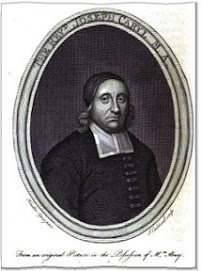
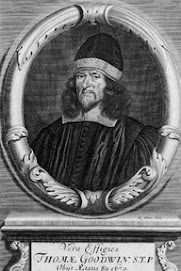
Two thousand ministers resigned their livings in the establishment, and exposed themselves to the loss of all things rather than submit to these new terms of conformity, which their consciences condemned*. Bartholomew's-day was chosen, because, they would thus be deprived of their year's income, which would be due shortly after. No portion of their former livings was reserved to keep them from starving; for these persecutors were not ashamed to be outdone by their enemies. The great Mr. Locke styled these two thousand ejected ministers, learned, pious, orthodox divines; and we have no hesitation in saying, that of them the world was not worthy, nor have their equals been seen in any age or nation. Their writings have erected to their memory a monument more durable than brass or marble, which has so perpetuated and diffused their sentiments and* spirit, that had their enemies anticipated the consequences of excluding them from the pulpits, they would have left them to preach that they might have had no leisure to write.
* Calamy's Non-conformists' Memorial, passim. Pierce, p. 232 *Burrnet, vol. II. p. 184. Warner.
To be continued.









.jpg/220px-Thomas_Watson_(Puritan).jpg)